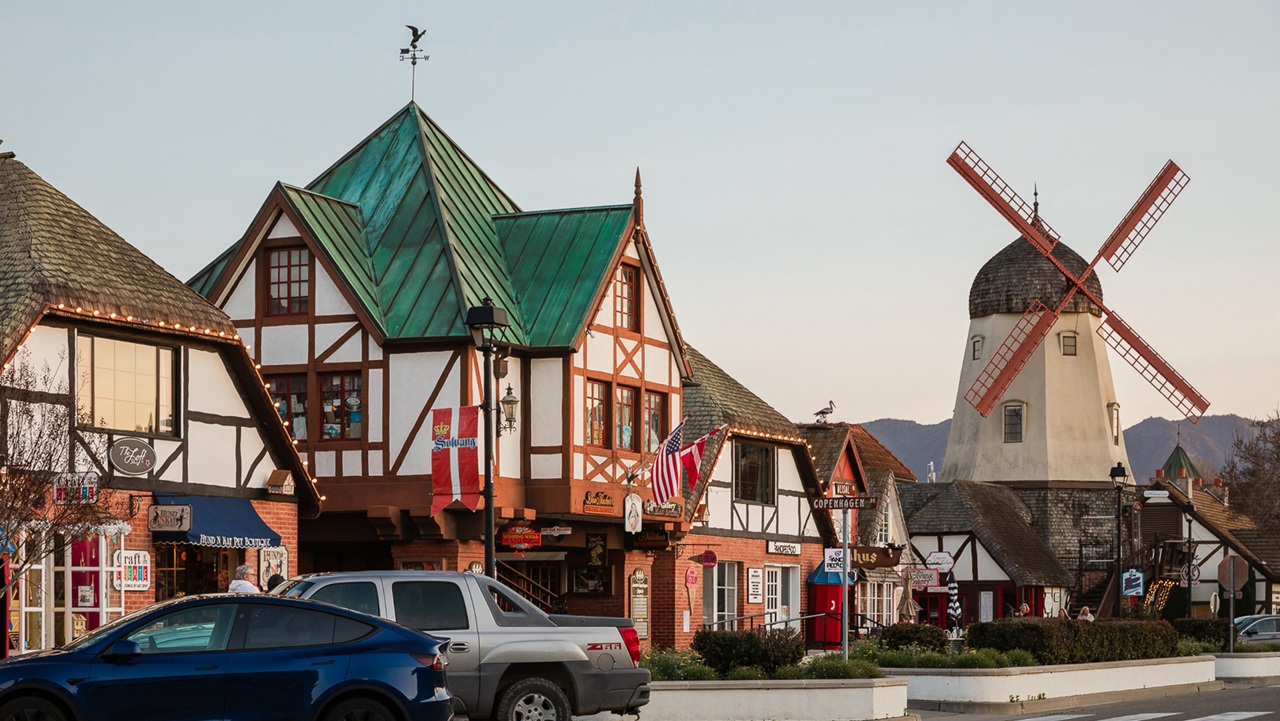
Five million visitors, 6,000 residents, 2.43 square miles: these three numbers define Solvang, California, and the tension that comes with it.
On a winter weekend, the ratio of visitors to residents can approach 100:1. The downtown fills with wine enthusiasts and Danish pastry seekers from all over, drawn to a place that has marketed itself as a European village transplanted to California wine country. The city’s transient occupancy tax (TOT) revenue has grown from $6.3 million to over $8 million in just three fiscal years. By every tourism metric, Solvang is succeeding. And yet, for the people who live here, something had gone quiet.
The Asymmetry that Built Up Slowly
Solvang has invested heavily in tourism, approximately $1.1 million annually, including destination marketing campaigns designed to reach travelers from California’s major metro areas who were planning weekend getaways. That investment has been rational. Tourism funds this city. TOT outpaces sales tax revenue by more than three to one, and it is what allows Solvang to fund public safety, streets, and parks without placing that full burden on residents. The math made sense.
But that investment had a direction: outward. It faced the traveler, not the resident. And while the city has been earning national recognition—Solvang was named the “#1 Best Small Town in the West” by USA TODAY in 2025—the people who called it home were increasingly underserved by their city’s communications. They learned about road closures, planning decisions, and major projects the same way visitors did: accidentally, late, or not at all.
The problem was not indifference. It was structural. A small staff, a visitor-oriented communications posture, and the absence of a dedicated channel for residents had created a real gap between city hall and the community. Strengthening resident communications was already a formal council priority, with a specific goal directing the city manager to assess the city’s community outreach programs. The gap had been named. With city manager Randy Murphy’s support and the help of an outreach agency, we decided to close it.
Before proceeding, the city asked for input. A June 2025 survey of Solvang residents found that 74% preferred email as their primary channel for city communications, the top response by a significant margin, outpacing social media, the city website, and print materials. When asked what they wanted to hear about, 84% said infrastructure project updates and 78% said new development updates. Residents were not disengaged. They just lacked a channel built for them.
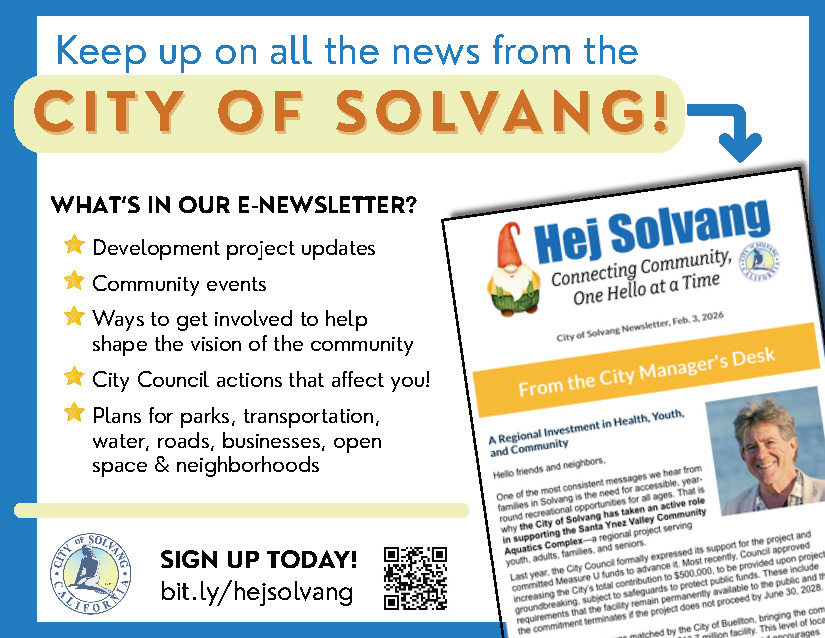
Hej Solvang
The name means “Hello Solvang” in Danish, a nod to the city’s founding heritage and a deliberate signal about who this was for. Launched in mid-2025, the Hej Solvang newsletter was built on a simple premise: residents deserved a direct, consistent line to their city government. The newsletter would read like a conversation rather than a press release or a social post built for engagement. It gave the city a way to move past comment threads on NextDoor and build a story arc over time.
Building the subscriber base required no elaborate campaign. We pulled from existing city listservs and offered every subscriber a clear, low-friction way to opt out from the beginning. A newsletter that people choose to stay with tells you something different than one they tolerate.
Within roughly six months, the list grew to approximately 2,200 subscribers. In a city of 6,000 residents organized into roughly 2,500 households, that is near-complete household penetration. Solvang’s advertising campaigns reach millions worldwide; this newsletter reaches the people who live here.
The engagement data confirmed what the instinct suggested. A recent edition recorded a confirmed open rate of nearly 59%, more than double the typical benchmark for government communications. Unsubscribes in the same period: two. Spam reports: zero. People were not just opening emails. They were coming back.
What followed read less like a newsletter and more like a conversation the city had needed for a while. Residents submitted content ideas. Survey responses arrived as full essays. A resident who parks near a shopping center wrote in about red curb markings on the adjacent street, the kind of hyperlocal detail that never surfaces in a council chamber but matters deeply to someone navigating that street every day. He received a substantive reply: the city was conducting a citywide curb assessment and would evaluate which restrictions were still warranted. The response didn’t promise everything, but it demonstrated something that residents had not always been certain of: that the channel ran in both directions.
Something shifted internally as well. Early on, generating content required actively soliciting contributions from department heads. Within months, staff were bringing their own stories forward. They could see the responses coming in, hear residents referencing the newsletter at public meetings, and watch their work land in the community in a way that a staff report to council rarely does. Managing the newsletter stopped being about convincing people to participate and became about managing the deadline.
Not every response was a compliment. Residents pushed back on proposed trail configurations, flagged late-night holiday music in the park, and raised pointed questions about projects they felt the city wasn’t explaining clearly enough. That friction was useful. It told staff where communication gaps remained and what residents were watching closely. A newsletter that only generates praise isn’t doing its job.
When the city opened applications for the urban boundary exploration committee, a 13-member resident advisory body, five people applied within an hour of the newsletter going out. When the city manager held an all-day Saturday goal-setting session and promoted it through the newsletter, 20 members of the public showed up. At one point, the mayor turned to look across the room and asked me, “Do you know how these residents got here?” The answer was the newsletter. Residents who had been paying attention had shown up to participate, and city hall was surprised enough to notice.
Why Small Cities Can Move This Way
Here is what a city of 6,000 can do that a city of 600,000 cannot: it can close the distance between a decision and the people it affects almost entirely on the strength of proximity.
Solvang’s urban boundary exploration committee is a useful illustration. The city faces genuine growth questions, state housing mandates, wastewater capacity constraints, and a geographic boundary that has not changed in years. Rather than process those questions internally and present conclusions to a disengaged public, the city convened a 13-member resident advisory body that reflected a genuine cross-section of the community. It is a room organized for productive disagreement, not managed consensus.
The whole process—identifying the need, seating the committee, and holding its first meeting—took months, not years. The newsletter is part of what makes that kind of speed possible. When a committee opening is announced through a channel that reaches nearly every household, the city is not broadcasting to residents; it includes them.
The Lesson for Small Towns
The tension Solvang is navigating is not unique: a tourism economy funds the city while residents need to feel the city is still theirs. It shows up in ski towns, wine regions, and historic main streets across the country. Visitor spending is the source of revenue, but resident trust is the foundation. If you lose the latter while chasing the former, the city starts to hollow out from the inside.
What Hej Solvang demonstrated is that closing that gap is neither expensive nor technically complicated. The cost of a well-run resident newsletter is modest. The return is high, but only if the communication is genuine. A newsletter that reads like a press release will be treated like one. A newsletter that tells residents what is actually happening and why it matters earns a different kind of attention.
The small-town advantage is real. Staff know the community well enough to write to it, not at it. A city manager can attend a public meeting and recognize most of the faces in the room. A resident with a question about a project can walk into city hall and hear back from the decision-maker within a day. That proximity, maintained intentionally, is what makes communication feel like a conversation rather than an announcement.
For communities navigating a similar gap, the path is not complicated. Find the channel your residents already check. Tell them in plain language what is actually happening. Invite them in before decisions are set. The city that does that consistently discovers something: the residents who felt left out were not gone. They were waiting to be included.
Gallup finds that about two-thirds of Americans trust their local government, but that advantage is not guaranteed. It has to be earned and maintained. Research from the Organization for Economic Co-operation and Development points to one factor that does more for local trust than almost any other: giving residents a real say before decisions are made. That is a low bar, and small cities are uniquely positioned to clear it.
Solvang is still working through its growth questions, wastewater capacity, boundary decisions, and a downtown that must remain competitive without losing the character that drew people there in the first place. But the issues become more manageable when the people who live here are informed, engaged, and present in the process.
Five million visitors come to Solvang to experience this place. The 6,000 people who live here deserve to help shape it.

OLIVIA URIBE MUTAL is assistant to the city manager for Solvang, California, and a member of ICMA’s ACAO Committee (oliviaum@cityofsolvang.com).
Publish with ICMA!
We’re searching for interesting and insightful stories that can help others learn a memorable takeaway to serve their communities better.
