
By Griffin Moreland, Teagan Trammell, Orel Rhodes, Jennifer Enloe, Jack Lefavour, Jack Callahan, Maddie Luster, Lauren Champion, Justin Bosse, Abbey Anderson, Brooke Free, Ross Jackson, and Miner P. “Trey” Marchbanks III
Have you or your city experienced an emergency recently? It could be a hurricane, wildfire, or other naturally occurring event, or it could be a mass shooting or other human-initiated event, such as a train derailment. What do all these things have in common? Well, someone had to be there to sort through things after the emergency, but just as importantly, before and during the emergency itself.
Effective emergency management processes and procedures can ultimately make or break the efforts to prevent, prepare for, weather, and recover from an emergency. But what is effective emergency management? In this article and the articles in the following two issues of PM, we will explore this question and many others.
As former students of The Bush School of Government and Public Service at Texas A&M University, we conducted extensive research and spoke with dozens of local government administrators regarding challenges in the profession of emergency management. The team has since earned their Master of Public Service and Administration degrees and are now serving as your colleagues in this challenging yet crucial profession. In our degree program, we were part of a capstone group tasked with solving a problem for a client. Our client was Region 10 (the Rio Grande Valley Area) of the Texas City Management Association (TCMA), and our liaison was Elizabeth Walker, who served as president of the region. She tasked us with identifying gaps in emergency communication and management within the region and identifying solutions to enhance emergency communication effectiveness.
We hope this three-article series will allow other local government officials reading this to consider their emergency communication and management plans, ensure they are as effective as possible, and be prepared for when, not if, the next emergency comes to your doorstep.
Understanding Emergency Management in TCMA Region 10
TCMA Region 10, which encompasses the dynamic and diverse Rio Grande Valley (RGV), is characterized by a unique set of challenges that test the limits of emergency management. The area’s vulnerability to various natural disasters, such as hurricanes, flooding, and wildfires, demands a robust and adaptable emergency communication strategy, specifically tailored to meet its geographical and socioeconomic nuances. The RGV’s geographic positioning along the Gulf Coast increases its exposure to hurricanes and resulting flooding, necessitating preemptive emergency communication systems that can handle the sudden onset of such events.
The socioeconomic diversity of Region 10 also plays a critical role in shaping emergency management practices. With a population characterized by varying income levels and a rich tapestry of cultural backgrounds, there is a substantial need for emergency communication strategies that are not only comprehensive but also culturally sensitive. This diversity requires that messages be customized in language and delivery method to ensure they are accessible and actionable by all community members, regardless of their socioeconomic status.
Furthermore, the region’s infrastructure presents additional complexities in delivering emergency services and information dissemination. While urban areas within Region 10 might benefit from relatively developed technological infrastructures, facilitating faster and more reliable communication, rural areas present a stark contrast. These areas often grapple with significant resource limitations and lack advanced communication technologies. This disparity leads to a digital divide, where rural communities face challenges in receiving timely and reliable emergency alerts. Such inconsistencies often hinder effective response efforts during crises, making it imperative to develop infrastructure that bridges this gap.
To address these challenges, emergency communication systems must incorporate advanced technologies that can rapidly disseminate alerts across diverse platforms, ensuring wide reach. Simultaneously, traditional communication methods, such as radio and public announcements, must support these systems, especially in rural areas that lack internet connectivity. This dual approach ensures that all residents, irrespective of their location or access to technology, receive critical information during emergencies.
By enhancing the resilience of communication infrastructures and tailoring emergency messages to meet the varied needs of their communities, local governments can significantly improve their preparedness and response capabilities, ensuring that all residents are well-informed and able to take appropriate actions during disasters.
Research Approach and Methodology
Our research into the intricacies of emergency management in TCMA Region 10 was structured around a comprehensive, multi-dimensional methodological approach. We initiated our study with an extensive literature review to grasp the existing standards and identify the gaps in emergency communication. This preliminary step was crucial not only for grounding our research in established best practices but also for highlighting areas lacking sufficient study, especially those critically relevant to the unique geographical and socioeconomic contexts of the region.
To gain a deeper understanding of the on-the-ground realities and challenges faced during emergencies, we organized focus groups involving a diverse group of stakeholders. Participants included first responders, public officials, and leaders from nonprofit organizations operating within the region. These focus groups were instrumental in uncovering real-time challenges and provided a platform for stakeholders to express their experiences and concerns directly. The discussions illuminated the pressing need for enhanced coordination among the various emergency management entities, revealing that while some systems were effective, others were fragmented and inefficient in times of crisis.
Complementing these qualitative insights, we prepared surveys and distributed them to a broader range of local government professionals. The survey data helped us quantify the effectiveness of the current emergency communication systems and pinpoint specific areas requiring improvement. This quantitative approach allowed us to assess the generalizability of the issues identified during the focus groups and evaluate the impact of these issues across a larger segment of the population.
The combination of targeted research methods and concise data analysis gave us a clear understanding of the current state and challenges of emergency management in Region 10. Our findings have informed actionable recommendations to enhance the region’s emergency communication framework, ensuring local governments can effectively reach all segments of the population during crises.
Key Findings from Our Research
Our research identified several key strengths and deficiencies in the emergency communication capabilities within Region 10. Notably, there is strong existing coordination among certain agencies, especially in urban centers. The coordination, primarily facilitated by advanced technological infrastructure, allows for quicker dissemination of emergency alerts, contributing significantly to the efficiency of initial emergency responses. Outside of these urban centers, the issue of jurisdictional fragmentation affects the consistency and reliability of emergency communications across different areas of the region. This fragmentation often results in ineffective dissemination of crucial information during emergencies, making it difficult for all residents to receive timely and accurate updates.
Our findings also highlighted significant gaps in reaching and effectively communicating with vulnerable populations, especially in rural areas where technological infrastructure is less developed. The prevalence of alert fatigue was frequently noted as a significant issue, with repeated non-critical alerts leading to a general desensitization to emergency communications. This issue underscores the critical need for strategic and targeted messaging to maintain public attention and responsiveness during actual emergencies.
From our focus group discussions, the most frequently mentioned topics related to emergency communication included the use of multiple communication channels, the strategic targeting of messages, and the importance of non-technology-based fallback options. Participants emphasized the necessity of employing diverse communication methods to ensure inclusive and accessible information dissemination during emergencies. A critical gap identified was the lack of early warning systems, such as sirens, which are crucial for immediate alerts. Discussions revealed a consensus on the need for such systems to be integrated into the existing emergency communication framework to enhance the region’s preparedness and immediate response capabilities.
Cross-sectoral engagement and collaboration were also highlighted as vital components of effective emergency communication. The need for a centralized dispatch system that includes all relevant entities was noted as a solution to overcome the current disjointed communication efforts. Such a system would enable more streamlined and coordinated emergency responses, ensuring that critical information reaches all stakeholders efficiently and reliably.
These findings illustrate the complex landscape of emergency communication in Region 10 and underscore the importance of addressing both technological and structural challenges. By leveraging the strengths and addressing the identified gaps, Region 10 and all local governments can enhance their emergency communication systems to meet the diverse needs of their communities more effectively.
Recommendations for Strengthening Emergency Communication
Based on our research, we proposed six key recommendations to enhance emergency communication in TCMA Region 10:
1. Utilize Multiple Communication Channels:
Combining traditional (TV, radio) and digital (social media, alerts) methods to ensure comprehensive coverage and minimize alert fatigue.
2. Tailor Messaging to Audience Needs:
Employ clear, accessible language that considers the cultural and socioeconomic diversity of the region.
3. Monitor and Evaluate Communication Efforts:
Implement continuous assessments to adapt strategies based on real-time feedback and technological advancements.
4. Promote Cross-Sectoral Engagement:
Enhance collaboration among emergency services, local governments, and nonprofits to ensure seamless response efforts.
5. Leverage Technology for Collaboration:
Encourage the adoption of regional databases and emergency response applications.
6. Implement a Public Information Officer (PIO) System:
Centralize communication efforts through trained personnel to manage emergency messaging and reduce misinformation.
Each recommendation is designed to address specific challenges identified in our study and will be explored in greater detail in the following articles of this series. This step-by-step exploration will provide local governments with practical, actionable strategies to improve their emergency communication capabilities.
The Broader Implications for Local Governments
The findings from our study of TCMA Region 10 have significant implications that extend beyond the immediate geographic area. Local governments nationwide, and even internationally, can draw valuable lessons from this research to assess and enhance their own emergency communication plans. The effectiveness of emergency response hinges significantly on the ability of communication systems to reach all segments of a community.
Engagement with the community is not just beneficial; it is essential. Local governments are encouraged to actively involve diverse community representatives in the planning and continuous improvement of emergency communication strategies. This involvement ensures that the plans are inclusive and reflective of the community’s needs, helping to build trust and foster collaborative relationships between government agencies and the communities they serve.
Investing in robust communication infrastructure and training for emergency personnel are critical steps toward improving the overall resilience of communities to emergencies. Regular reviews and updates of emergency plans, along with drills and training exercises, ensure that responses are swift, coordinated, and effective when emergencies occur.
We urge local governments to not only review and update their emergency plans regularly but also to strengthen their partnerships with regional emergency management agencies. These partnerships are invaluable for sharing resources, information, and best practices, ensuring that when, not if, the next emergency hits, all involved entities are well-prepared to protect and assist their communities effectively.
This comprehensive approach is not merely about responding to emergencies but building systems that ensure communities can withstand and rebound from disasters swiftly and with minimal disruption. The next article in this series will discuss the key findings of our past research and how they have broad applicability to other urban and rural areas elsewhere. In the third article of the series, we will address and opine on how your community can take steps to prepare for the inevitable disaster that will unfold in your area.
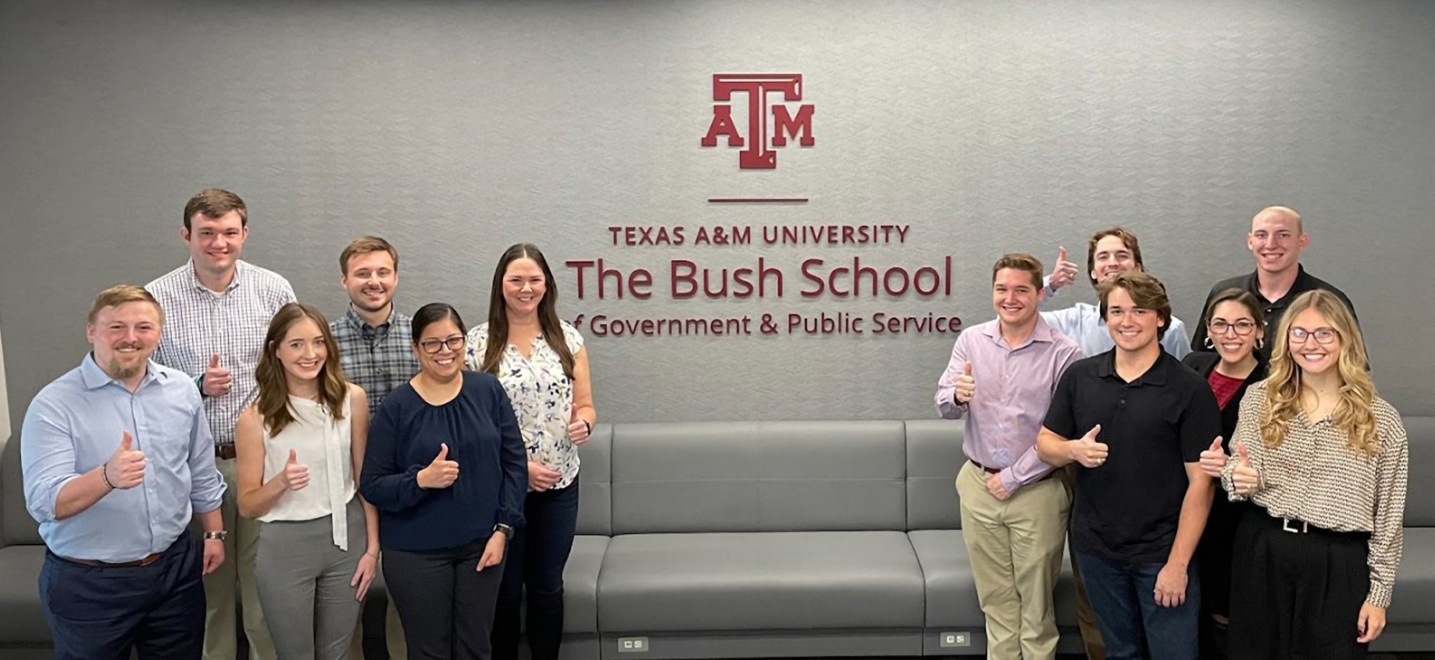
GRIFFIN MORELAND is assistant to the city manager, Pecos, Texas, USA.
TEAGAN TRAMMELL is management analyst II, Sugar Land, Texas, USA.
OREL RHODES is executive assistant to the general secretary/CEO, Baptist World Alliance.
JENNIFER ENLOE is captain of field operations, Texas A&M University Police.
JOHN “JACK” LEFAVOUR is executive officer, Longenecker & Associates.
JACK CALLAHAN is coal community development manager, Navajo County and Apache County, Arizona, USA.
MADELINE LUSTER is public relations, Bixby, Oklahoma, USA.
LAUREN CHAMPION is digital opportunity coordinator, Texas Broadband Development Office.
JUSTIN BOSSE is associate fleet analyst, fleet transfer – Houston.
ABBEY ANDERSON is assistant to the city administrator, Spring Valley Village, Texas, USA.
BROOKE FREE is director of sales, OsteoStrong – Houston.
ROSS JACKSON is policy analyst, right on crime, Texas Public Policy Foundation.
MINER P. “TREY” MARCHBANKS III is research scientist, The Bush School of Government and Public Service, Texas A&M University.
Publish with ICMA!
We’re searching for interesting and insightful stories that can help others learn a memorable takeaway to serve their communities better.
