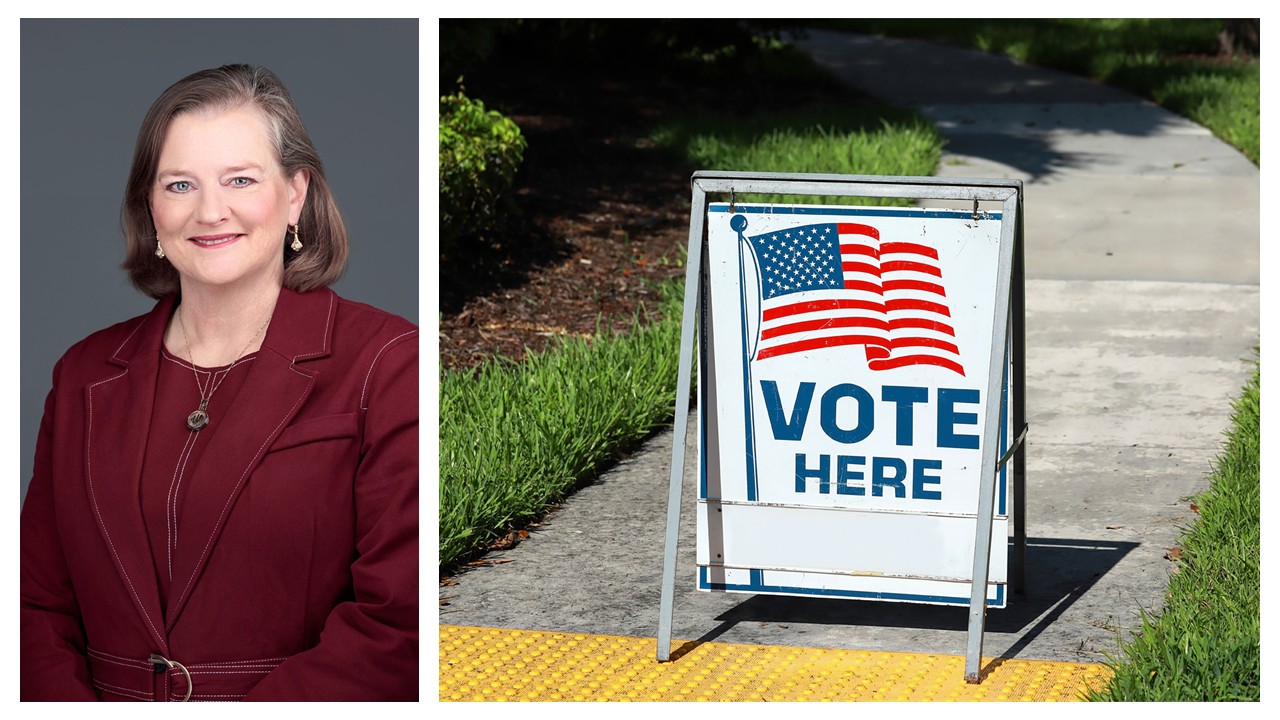
The March 2026 issue of PM focuses on elections—an essential local government function that too often is taken for granted—unless, of course, something goes wrong. The only news articles we expect from an election are about who prevailed! We hope the process, the mechanics, the poll workers, etc., never make the front page. We have an amazing history of managing elections with integrity in the United States and that all happens because local government works!
It’s important for me to mention that the 2026 PM editorial calendar was published last fall. So while the “timing” coincides with some noise about election integrity and threats of federal intervention in the election process, this issue of the magazine was always intended to remind us of the importance of this process. We could not have predicted the intensity of questions and allegations, the escalation of threats against election workers, or the renewed questioning of democratic processes that many local governments now confront daily. The themes of this issue feel not just timely, but urgent.
Local government professionals understand something fundamental about democracy: elections do not run themselves. They depend on systems designed well in advance, on staff who are trained and supported, and on leaders who are willing to protect the integrity of the process—often quietly and under intense pressure. Trust, in this sense, is built long before ballots are cast. It is earned through competence, transparency, and consistency over time.
Several articles in this issue underscore the critical role of our city/county/town clerks and the unique challenges they face. For many local governments, clerks and election administrators have become frontline defenders of democratic norms, navigating new security risks, staffing shortages, and unprecedented public scrutiny. Managers who understand this reality—and who actively support their election teams—are strengthening not just an election, but the legitimacy of their institutions.
The election workforce deserves particular attention. Across the country, local governments rely on a combination of career professionals, temporary staff, and volunteers to administer elections. These individuals are motivated by a sense of civic duty, yet increasingly they are asked to perform their roles in an atmosphere of distrust and, at times, hostility. Supporting this workforce is no longer just an operational concern; it is a leadership imperative.
The fact that this issue was planned months ago is a reminder that the work of strengthening democracy is not reactive; it is steady, deliberate, and rooted in professional management. While the context around us may shift rapidly, the principles that guide effective election administration—and effective leadership—remain constant.
As you read this issue, I encourage you to reflect on the role you play in supporting elections in your community. Whether or not elections fall directly within your portfolio, your leadership matters. The choices you make about resources, communication, and support for staff send a clear signal about what your organization values.
In moments of uncertainty, local government continues to be a stabilizing force. The March issue of PM is both a testament to that role and a call to action: to protect the people and processes that make democracy work—not just in election season, but every day.

JULIA D. NOVAK, ICMA-CM, is executive director of ICMA.
Publish with ICMA!
We’re searching for interesting and insightful stories that can help others learn a memorable takeaway to serve their communities better.
