As the United States celebrates its 250th anniversary, conversations about democracy often focus on elections, civic participation, and the visible work of governing. Those elements matter. They remind us that government derives its authority from the people and exists to serve the public good.
But after the votes are counted and the meetings adjourn, democracy depends on something less visible.
Over the course of my career in local government, I have come to believe that democracy happens in the details. It happens in the daily decisions that shape whether institutions are trusted, whether public resources are stewarded responsibly, and whether government can consistently deliver on its commitments to the communities it serves.
Residents may never see the internal systems that support local government, but they experience the outcomes every day. They know when government works. They know when it doesn’t. Their trust in public institutions is shaped not only by policy decisions, but by whether government consistently demonstrates competence, fairness, and follow-through. That trust is not built in a single moment. It’s built over time through countless choices, interactions, and decisions. It’s built in the details.
We often celebrate the visible work of local government, and rightly so. Residents interact with frontline employees, attend public meetings, and experience the services that local governments provide. Yet behind every visible success are public servants whose work is largely unseen. They recruit and develop employees, steward public resources, build systems, establish policies, and solve organizational problems before residents ever have a reason to notice them. Their work rarely receives public recognition, yet much of what residents value about local government depends upon it.
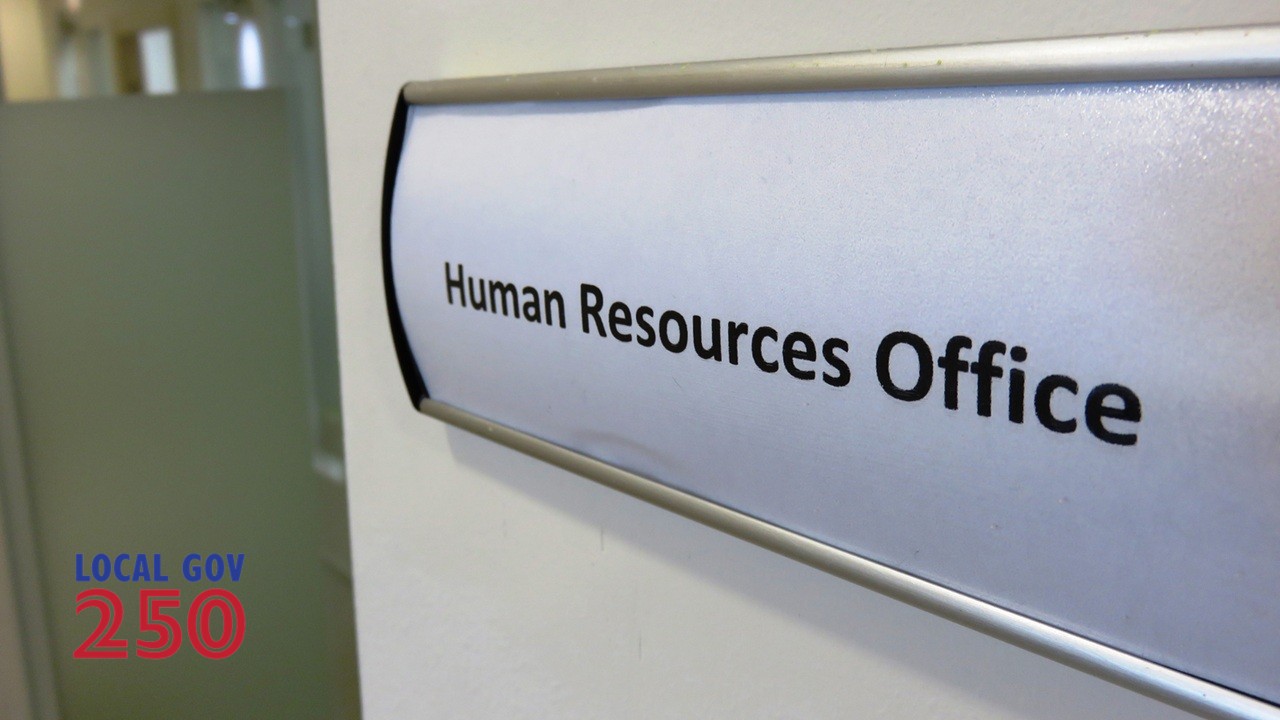
One of the most important lessons I learned about trust came from a transformation effort in the city of Durham, North Carolina, called HR Without Obstacles. At the time, many employees viewed human resources as a department they encountered only when something went wrong. Our goal was to reimagine HR as a service-oriented partner that helped employees succeed. We focused on responsiveness, communication, and removing barriers that prevented employees and managers from doing their best work.
Although the initiative had a memorable name, its purpose was not branding. It was about building trust between employees and the organization. As employees began to experience HR differently, relationships improved. Managers sought guidance earlier, employees felt more supported, and the organization became stronger.
What appeared to be an internal service improvement ultimately strengthened service to the community. Employees who feel respected, supported, and equipped are better able to focus on serving residents. They collaborate more effectively, solve problems more creatively, and bring greater commitment to their work. That experience reinforced something I have observed throughout my career: strong public institutions are built from the inside out. Culture is not separate from service delivery; it is one of the conditions that makes service delivery possible.
The same principle applies to organizational values. While serving in Hayward, California, I helped lead efforts that contributed to a significant increase in the city’s municipal equality index score, a national benchmark that evaluates how effectively municipalities support and include LGBTQ+ residents and employees. While the score itself was meaningful, what mattered most was what it represented.
The work required examining policies, practices, and systems through the lens of fairness, inclusion, and belonging. It required asking whether the organization’s actions aligned with its stated values. Metrics can never tell the entire story, but they can reveal whether institutions are moving closer to the principles they claim to uphold. Trust grows when people see consistency between what an organization says and what it does.
Among the most important details in local government is one that often receives little attention until something goes wrong: whether the boundary between politics and professional administration is respected. Like many of the systems that support effective government, this distinction is often invisible when it is functioning well. When it breaks down, however, the consequences can be felt throughout an organization and, ultimately, by the community it serves.
Elected officials and professional administrators play different but complementary roles. One provides democratic accountability and policy direction. The other provides expertise, continuity, and implementation. The health of local government depends on both, and maintaining that balance requires trust, discipline, and mutual respect. It is one of the many details that allows institutions to function effectively even though residents may rarely see it.
At first glance, an HR transformation, an equity initiative, and the relationship between elected officials and professional administrators may appear unrelated. In reality, each asks the same question: Can people trust the institution?
Can employees trust that they will be treated fairly? Can residents trust that services will be delivered equitably? Can communities trust that public resources will be managed responsibly? Can elected officials and professional administrators trust one another to fulfill their respective roles?
The answers to those questions are rarely determined by a single decision. They are shaped by systems, practices, and behaviors repeated over time. In other words, they are determined in the details.
As local governments look toward the next chapter of American democracy, I believe we should broaden how we talk about the work of public service. Democracy is not sustained solely through participation; it is sustained through stewardship. It depends on institutions that are competent enough to deliver results, ethical enough to earn trust, and resilient enough to serve communities through both opportunity and adversity.
Every public servant contributes to that work. Some interact directly with residents. Others design the systems, processes, and organizational capacity that make excellent service possible. While their roles may differ, their purpose is the same: helping government deliver on its commitments to the community.
When local government functions at its best, residents may never notice the countless decisions, relationships, and systems working on their behalf. They simply experience institutions they can trust and services they can rely upon. That confidence does not emerge by accident. It’s built over time through competence, fairness, integrity, and follow-through.
Democracy, after all, happens in the details.
REGINA YOUNGBLOOD, ICMA-CM, is a public sector executive whose career has focused on strengthening democratic institutions, improving organizational performance, and building trust between governments and the communities they serve.
Publish with ICMA!
We’re searching for interesting and insightful stories that can help others learn a memorable takeaway to serve their communities better.
